

Leaders
Role Virtual
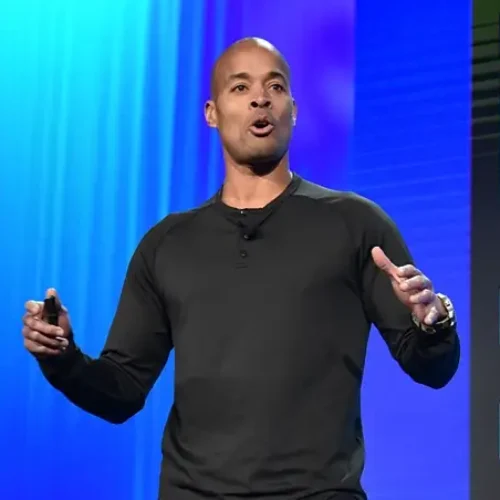
David Goggins
David Goggins has significantly influenced individuals globally through his message of extreme self-discipline and mental fortitude. His personal transformation from an overweight individual to a decorated Navy SEAL and ultra-endurance athlete inspires millions to confront their perceived limitations. Goggins promotes a philosophy of embracing discomfort and relentless self-improvement, challenging conventional notions of resilience. His raw, unfiltered approach resonates with those seeking profound personal change. He has popularized concepts like the “40% Rule” and the “Calloused Mind,” encouraging a mindset of continuous effort and accountability. His impact extends across fitness, personal development, and motivational speaking communities worldwide.
- Profession: Retired Navy SEAL, Ultra-endurance athlete, Author, Motivational speaker, Public speaker, Fitness coach
Rahul Gandhi
Rahul Gandhi’s political journey has significantly shaped the discourse within India’s opposition landscape. As a scion of the Nehru-Gandhi family, he inherited a complex political legacy, influencing the Indian National Congress’s direction for over two decades. His emphasis on issues like economic inequality, social harmony, and democratic principles has resonated with segments of the electorate, even amidst electoral challenges. He has been a vocal critic of government policies, contributing to public debates on governance and development. His leadership, though marked by electoral setbacks, has maintained a consistent presence, advocating for a secular and inclusive vision for India.
- Profession: Politician, Member of Parliament, Party President, General Secretary, Vice President
Narendra Modi
Narendra Modi’s tenure as Prime Minister has significantly reshaped India’s political and economic landscape. He has championed large-scale infrastructure projects, digital transformation initiatives like Digital India, and financial inclusion programs such as Jan Dhan Yojana. His government implemented the Goods and Services Tax (GST) and demonetization, aiming for economic formalization. In foreign policy, he pursued robust engagement with global powers and neighboring countries. Socially, campaigns like Swachh Bharat Abhiyan addressed sanitation. Politically, his leadership has been characterized by a strong emphasis on national identity and a centralized decision-making process, leading to both widespread support and considerable debate over policy implications and governance style, particularly concerning federalism and social cohesion.
- Profession: Politician, Prime Minister, Chief Minister, Social Worker, Author
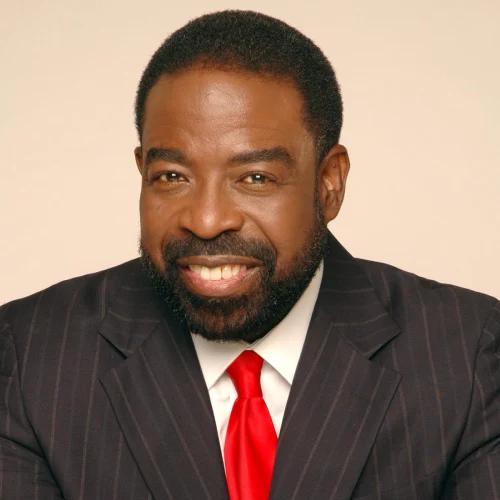
Les Brown
Les Brown is an acclaimed motivational speaker, author, and former politician known for his dynamic presentations and inspiring messages. Born in Miami, Florida, and adopted at a young age, Brown overcame early academic struggles and societal labels to build a successful career. He served in the Ohio House of Representatives and later became a prominent radio personality. His transition to motivational speaking propelled him to international fame, where he encourages millions to achieve their potential and live fulfilling lives, emphasizing self-belief and perseverance.
- Profession: Motivational Speaker, Author, Former Politician, Radio Host
Amy Purdy
Amy Purdy is an American Paralympic snowboarder, motivational speaker, and author. She achieved global recognition after contracting bacterial meningitis at 19, leading to the amputation of both her legs below the knee. Purdy defied expectations by returning to snowboarding and co-founding Adaptive Action Sports, an organization dedicated to creating opportunities for individuals with physical challenges. She earned a bronze medal at the 2014 Sochi Paralympics and gained further fame as a contestant on “Dancing with the Stars.”
- Profession: Paralympic Snowboarder, Motivational Speaker, Author, Entrepreneur, Co-founder of Adaptive Action Sports
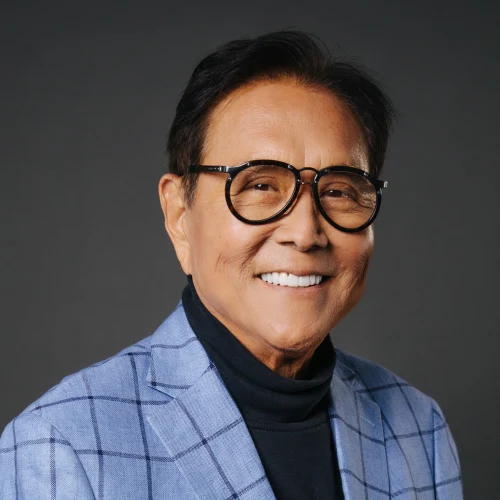
Robert Kiyosaki
Robert Kiyosaki is a prominent American entrepreneur, investor, and author, widely recognized for his best-selling book Rich Dad Poor Dad. He advocates for financial literacy and independence, often challenging conventional wisdom about money and education. Kiyosaki’s work emphasizes the importance of assets, passive income, and entrepreneurial thinking over traditional employment and saving. His teachings have influenced millions globally, promoting a shift in mindset towards wealth creation and financial education outside mainstream schooling.
- Profession: Businessman, Investor, Author, Motivational Speaker
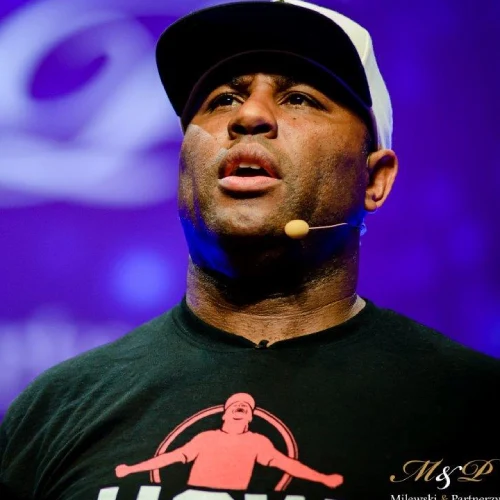
Eric Thomas
Eric Thomas, widely known as ET The Hip Hop Preacher, is an acclaimed motivational speaker, author, and educator. From homelessness to earning a Ph.D., his life story is a testament to resilience. He captivates global audiences with his raw, authentic, and high-energy messages, empowering individuals to overcome adversity and achieve their maximum potential through unwavering dedication and discipline.
- Profession: Motivational Speaker, Author, Educator, Consultant, Life Coach
Suze Orman
Suze Orman is an acclaimed American financial advisor, author, and television personality. She gained widespread recognition for her straightforward and accessible approach to personal finance, primarily through her long-running CNBC program, ‘The Suze Orman Show.’ Orman has authored numerous best-selling books, offering practical guidance on topics such as saving, investing, debt management, and retirement planning. Her career is marked by a passionate commitment to financial literacy, helping individuals from all walks of life achieve economic security and independence.
- Profession: Financial Advisor, Author, Television Personality
Iyanla Vanzant
Iyanla Vanzant is an American inspirational speaker, author, life coach, and television personality. Born Rhonda Eva Harris, she is best known for her self-help books and her OWN Network reality television series, ‘Iyanla: Fix My Life’. Vanzant’s work focuses on spiritual growth, personal transformation, and empowering individuals to overcome challenges through accountability and self-love. Her profound wisdom and direct approach have made her a beloved figure in the self-help and spiritual community.
- Profession: Author, Motivational Speaker, Life Coach, Television Personality, Ordained Minister
Darren Hardy
Darren Hardy is an American entrepreneur, author, and keynote speaker, best known as the former publisher of Success Magazine and author of the New York Times bestseller, “The Compound Effect.” He has dedicated his career to educating and inspiring entrepreneurs and leaders worldwide, sharing practical strategies for achievement, leadership, and personal growth. Hardy’s work emphasizes the power of small, consistent daily actions in creating monumental results over time.
- Profession: Entrepreneur, Author, Keynote Speaker, Business Consultant, Publisher
Vivek Bindra
Vivek Bindra is an influential Indian motivational speaker, business coach, and founder of Bada Business Pvt. Ltd. He is widely recognized for his practical business strategies and leadership training, primarily targeted at small and medium enterprises (SMEs) and entrepreneurs. Through his extensive digital presence, particularly on YouTube, he provides accessible business education, helping millions to understand and implement effective growth strategies.
- Profession: Motivational Speaker, Business Coach, Founder and CEO of Bada Business Pvt. Ltd.
Sandeep Maheshwari
Sandeep Maheshwari is an Indian entrepreneur and a highly sought-after motivational speaker. He founded ImagesBazaar, the world’s largest collection of Indian stock images. Despite dropping out of college, he achieved significant success through multiple ventures. Maheshwari is widely recognized for his free life-changing seminars and YouTube channel, where he shares practical wisdom and encourages individuals to overcome challenges. His core philosophy revolves around making complex ideas simple, empowering millions to pursue their dreams with confidence and resilience.
- Profession: Entrepreneur, Motivational Speaker, Author