Know a legend? Nominate them. Self-nominations welcome, modesty optional. Tell us who

Get featured

Role

Motivational & Inspirational Speaker

Motivational and inspirational speakers use personal stories and clear lessons to energize audiences. Compare profiles to find a voice and message that suits your event.
12 leaders

Sketch of a stick figure with props representing Motivational & Inspirational Speaker

I believe in you. Mostly.

Featured

Leaders worth meeting first

Directory

Every leader listed here

No profiles here yet. Know someone who belongs? Tell us through the contact page.

What makes motivational speakers memorable
01

A story worth telling

The best talks are built around a genuine journey, setback or turning point that audiences can connect with.

02

A clear takeaway

Inspiration lasts longer when it comes with one or two ideas people can act on after the event.

03

Stage presence

Energy, pacing and humor help a speaker hold attention in large rooms and keep the message from feeling like a lecture.

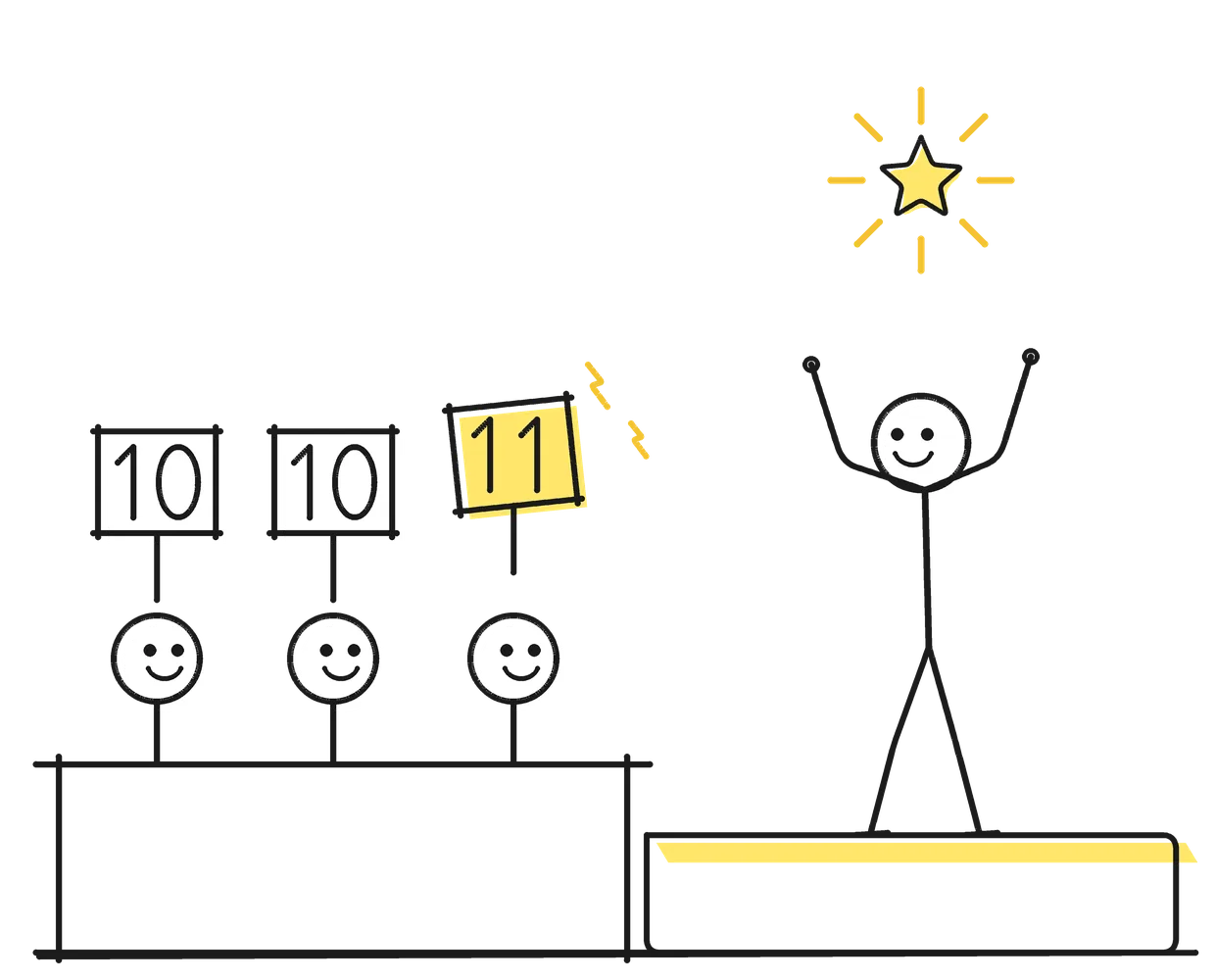
Sketch of three judges holding score cards 10, 10 and 11 for a cheering speaker on stage
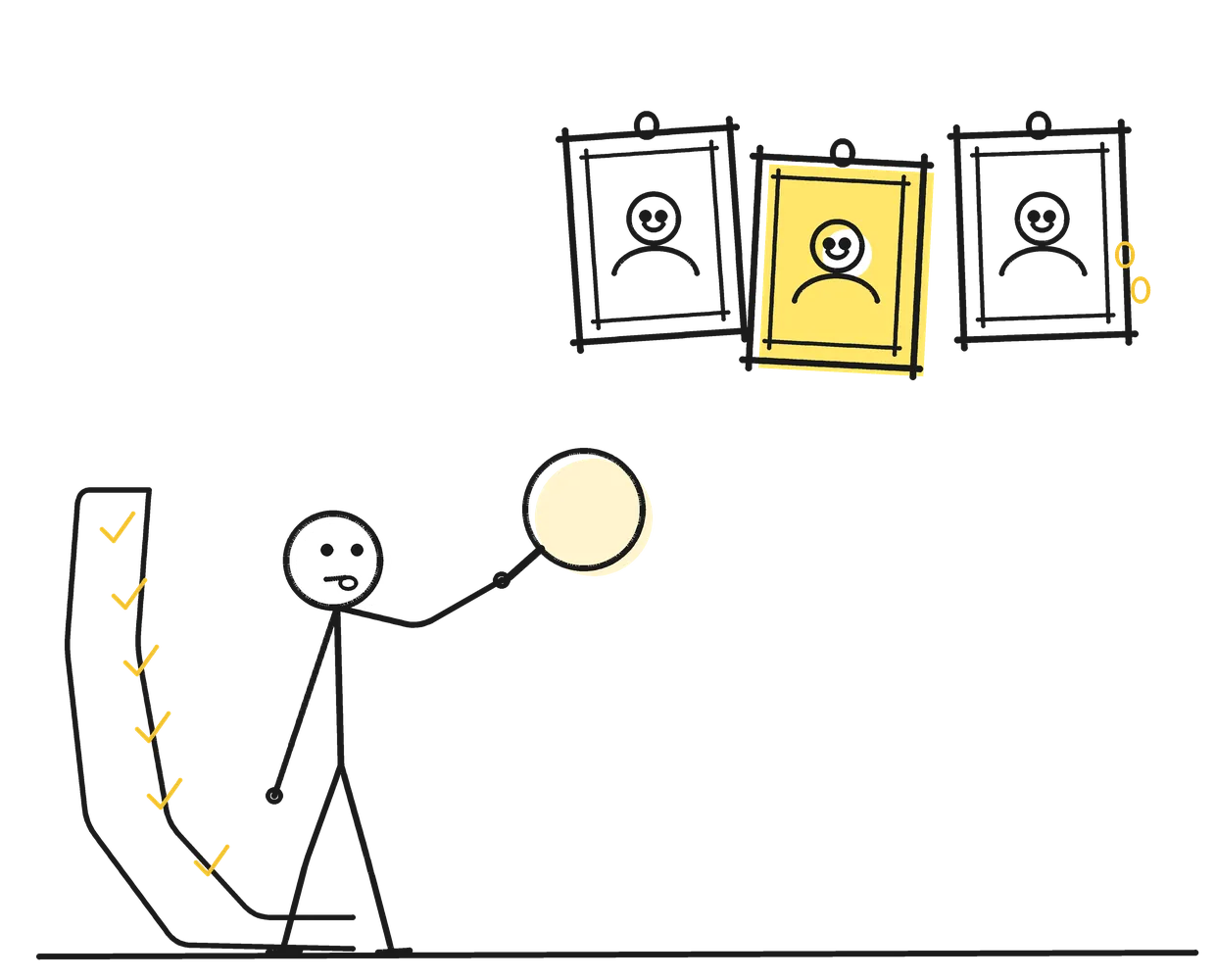
Sketch of a planner with a magnifying glass and a long checklist comparing three framed candidates

How to choose a motivational speaker

Begin with the outcome you want. Some events need a high-energy opener, others a reflective closing talk, and others a message tied to a theme such as change, resilience or ambition. Shortlist speakers whose personal story naturally connects to that theme.

Watch a full talk rather than a short clip. Highlight reels show charisma, but a complete recording reveals whether there is substance behind the energy and how well the speaker reads the room.

Consider your audience’s culture and language. A message that resonates with entrepreneurs may feel out of place for students or a public sector team. Ask whether the speaker tailors examples, and whether they offer follow-up material such as books or workshops to extend the impact.

Frequently Asked Questions

The terms overlap. Motivational talks often focus on action and drive, while inspirational talks lean on personal stories that shift perspective. Most speakers blend both.

Common settings include company conferences, sales kickoffs, schools and universities, nonprofit events and community gatherings.

Keynotes often run between 30 and 60 minutes, sometimes with a short question and answer session. Workshops and half-day programs are also common.

Pair the talk with follow-up discussion, team exercises or the speaker’s book or materials, and connect the message to goals your audience is already working on.

Review recordings from events similar to yours and ask the speaker how they would adapt the talk for your audience’s age, industry and culture.