Know a legend? Nominate them. Self-nominations welcome, modesty optional. Tell us who

Get featured

Role

Author

Authors shape how we think through books, essays and long-form ideas. Browse author profiles to find voices on leadership, business, self-help, fiction and more.

Your nomination could be first

Sketch of a stick figure with props representing Author

Chapter one: I needed a coffee.

Featured

Leaders worth meeting first

Directory

Every leader listed here

No profiles here yet. Know someone who belongs? Tell us through the contact page.

What sets influential authors apart
01

A clear central idea

The most cited books usually build one memorable idea and support it thoroughly.

02

Depth of research

Strong authors back their arguments with experience, sources or careful reporting.

03

Ideas beyond the page

Many authors extend their work through talks, courses, podcasts or columns.

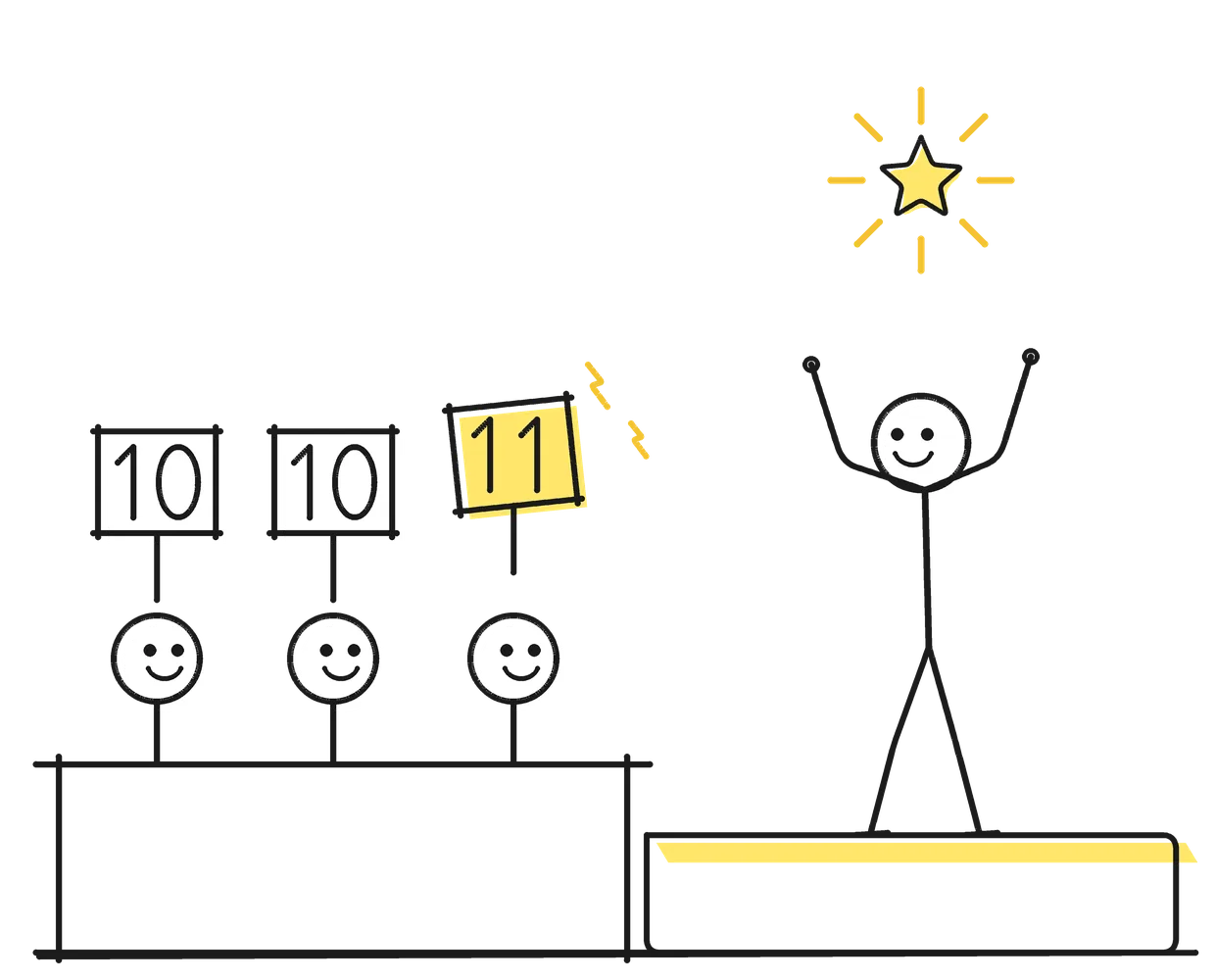
Sketch of three judges holding score cards 10, 10 and 11 for a cheering speaker on stage
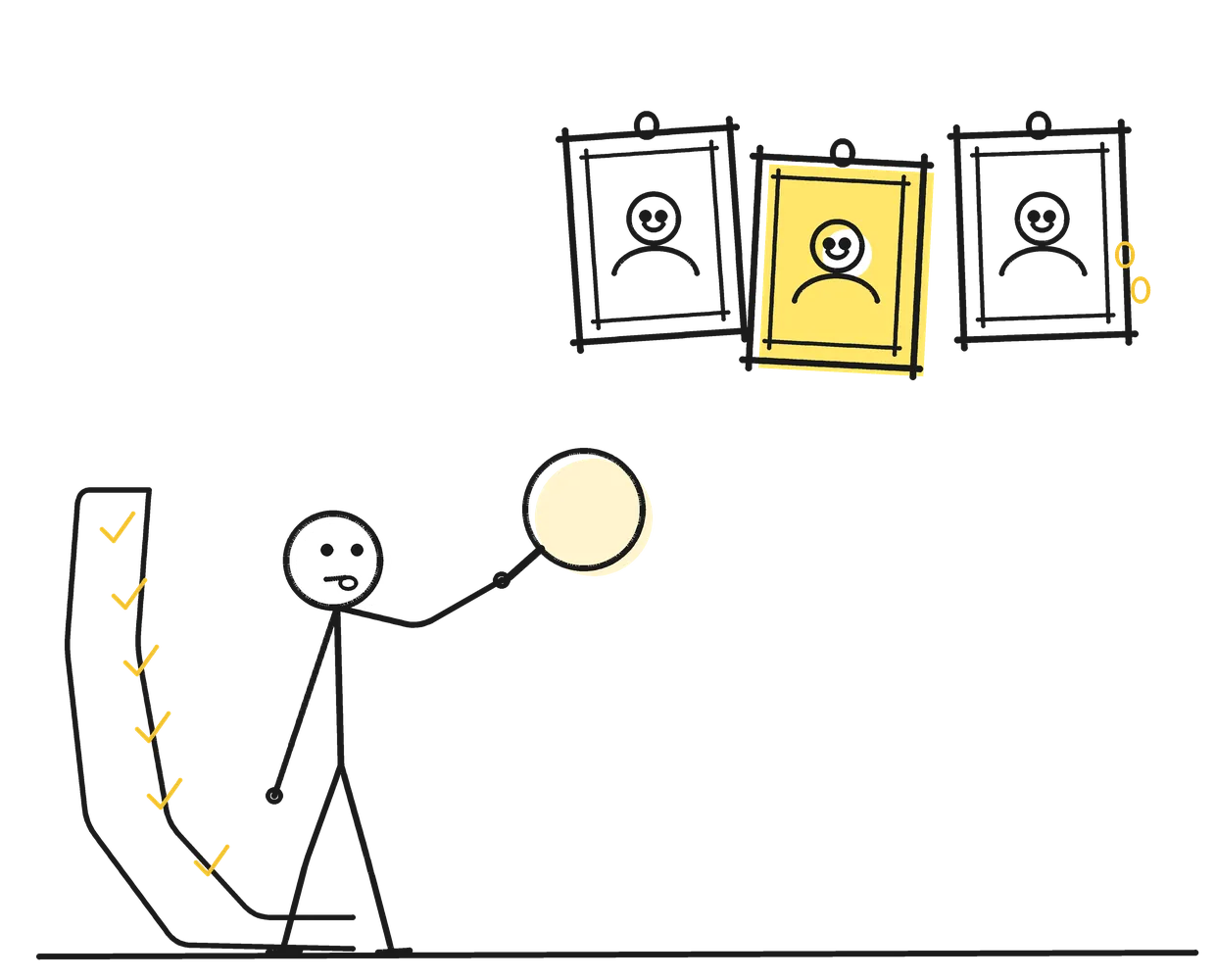
Sketch of a planner with a magnifying glass and a long checklist comparing three framed candidates

How to evaluate an author

Look past bestseller labels and read a sample. The opening chapters and the author’s notes or references show whether the ideas are original, well supported and clearly explained.

For nonfiction, check the author’s background against the subject. Practitioners, researchers and journalists each bring different strengths, and the best fit depends on whether you want practical advice or evidence.

If you plan to invite an author to speak or run a book session, review recordings of past talks. Writing well and presenting well are related but separate skills.

Frequently Asked Questions

Authors are often booked through their publisher’s publicity team, a literary agent or a speakers bureau. Their official site usually lists the right contact.

Not necessarily. Sales reflect reach and timing; relevance to your audience and the quality of the ideas matter more for most events or reading lists.

Traditional publishers handle editing, printing and distribution, while self-published authors manage these themselves. Quality varies in both routes.

Many nonfiction authors turn their books into workshops or courses. Check their profile or website for formats they offer.