Know a legend? Nominate them. Self-nominations welcome, modesty optional. Tell us who

Get featured

Role

Motivational & Inspirational Speaker

Motivational and inspirational speakers use personal stories and clear lessons to energize audiences. Compare profiles to find a voice and message that suits your event.

12 leaders

Sketch of a stick figure with props representing Motivational & Inspirational Speaker

I believe in you. Mostly.

Featured

Leaders worth meeting first
Directory

Every leader listed here

Amy Purdy

Amy Purdy

Three-time Paralympic snowboarding medalist, Dancing with the Stars runner-up, author and co-founder of Adaptive Action Sports.

Chris Gardner

Chris Gardner

Entrepreneur, author and speaker whose journey from homelessness with his young son to stockbroker inspired The Pursuit of Happyness.

Darren Hardy

Darren Hardy

Author of The Compound Effect, former publisher of SUCCESS magazine and creator of the DarrenDaily mentoring program.
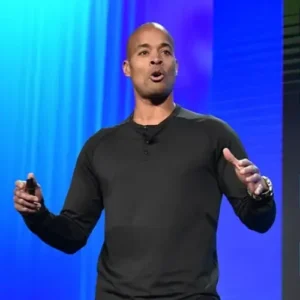
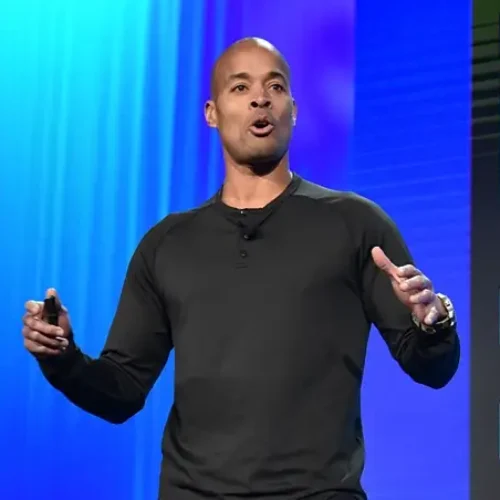
David Goggins

David Goggins

Former Navy SEAL, ultra-endurance athlete and author of Can't Hurt Me, known for his message of mental toughness and self-discipline.
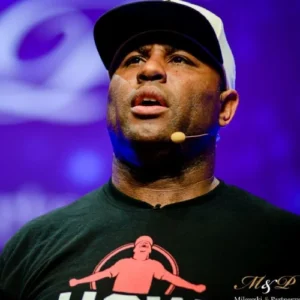
Eric Thomas

Eric Thomas

American motivational speaker, author and pastor known as ET, the Hip Hop Preacher, who went from homelessness in Detroit to a Ph.D.
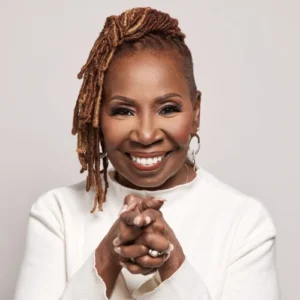
Iyanla Vanzant

Iyanla Vanzant

American spiritual teacher, author, lawyer and host of OWN's Iyanla: Fix My Life, known for her books on faith, healing and self-love.

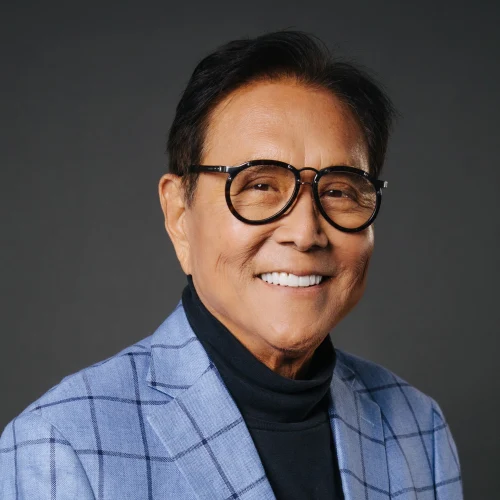
Robert Kiyosaki

Robert Kiyosaki

American businessman and author of Rich Dad Poor Dad (1997), the bestselling personal finance book, and founder of the Rich Dad Company.
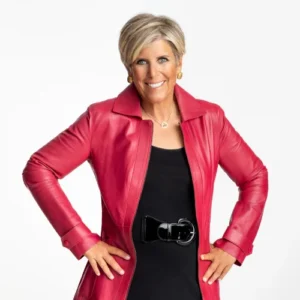
Suze Orman

Suze Orman

American personal finance expert, bestselling author and podcast host, known for The Suze Orman Show on CNBC from 2002 to 2015.

Tony Robbins

American author, coach and motivational speaker known for Unleash the Power Within seminars and books such as Awaken the Giant Within.
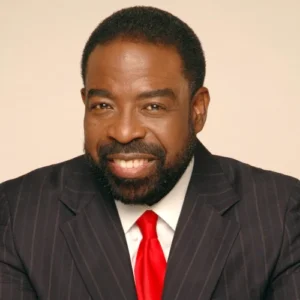
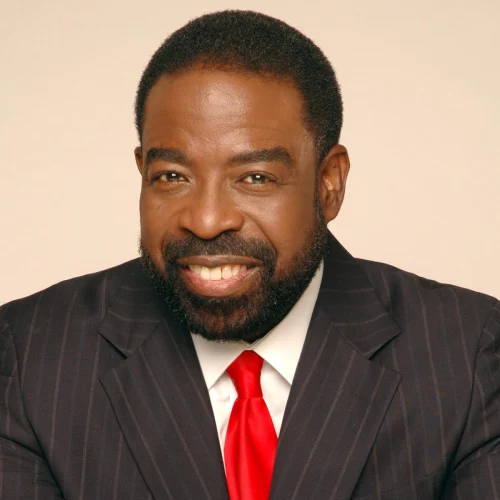
Leslie Calvin Brown

Les Brown

American motivational speaker, author and former Ohio state legislator known for his story-driven speeches and the book Live Your Dreams.

What makes motivational speakers memorable
01

A story worth telling

The best talks are built around a genuine journey, setback or turning point that audiences can connect with.

02

A clear takeaway

Inspiration lasts longer when it comes with one or two ideas people can act on after the event.

03

Stage presence

Energy, pacing and humor help a speaker hold attention in large rooms and keep the message from feeling like a lecture.

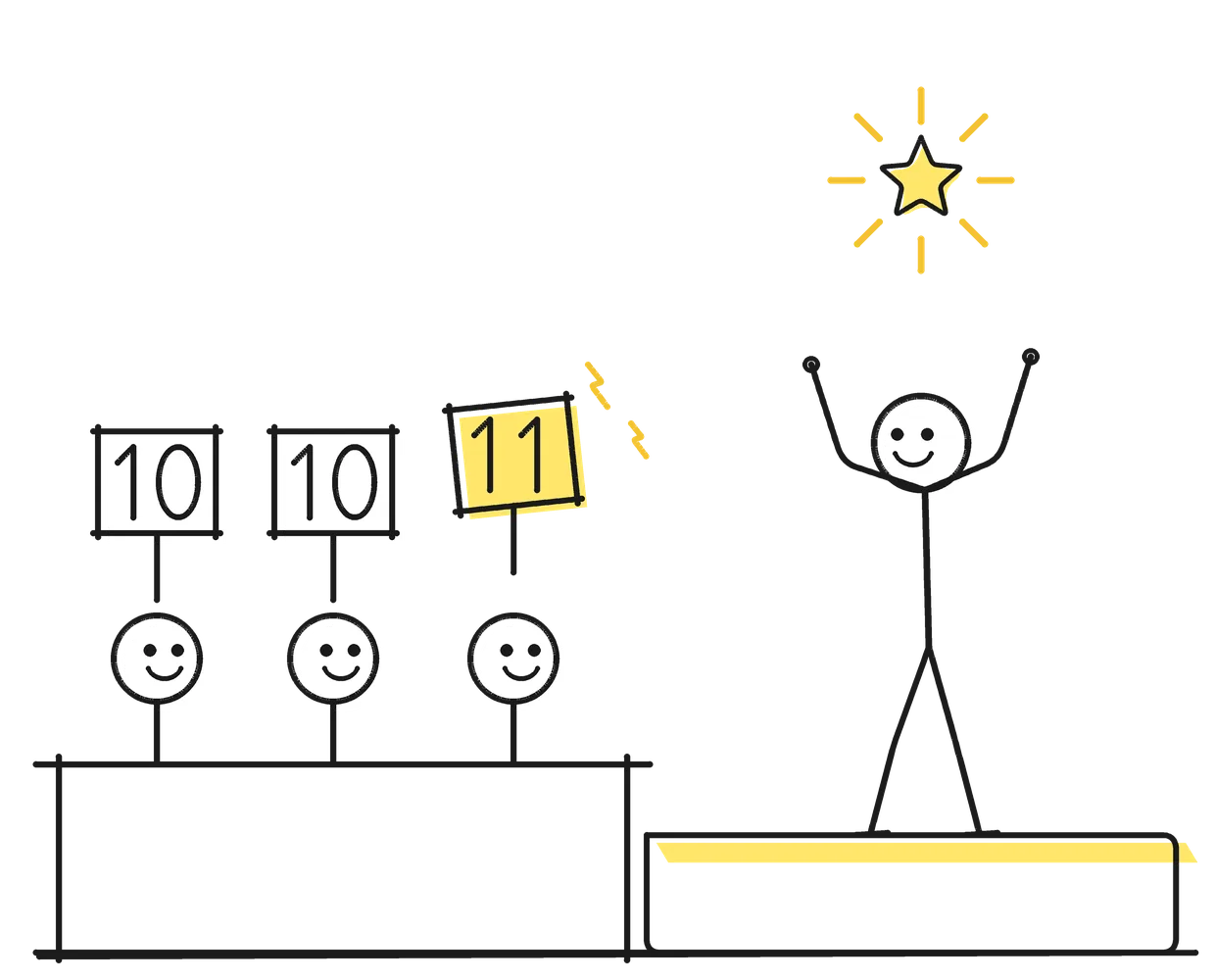
Sketch of three judges holding score cards 10, 10 and 11 for a cheering speaker on stage
Sketch of a planner with a magnifying glass and a long checklist comparing three framed candidates

How to choose a motivational speaker

Begin with the outcome you want. Some events need a high-energy opener, others a reflective closing talk, and others a message tied to a theme such as change, resilience or ambition. Shortlist speakers whose personal story naturally connects to that theme.

Watch a full talk rather than a short clip. Highlight reels show charisma, but a complete recording reveals whether there is substance behind the energy and how well the speaker reads the room.

Consider your audience’s culture and language. A message that resonates with entrepreneurs may feel out of place for students or a public sector team. Ask whether the speaker tailors examples, and whether they offer follow-up material such as books or workshops to extend the impact.

Frequently Asked Questions

The terms overlap. Motivational talks often focus on action and drive, while inspirational talks lean on personal stories that shift perspective. Most speakers blend both.

Common settings include company conferences, sales kickoffs, schools and universities, nonprofit events and community gatherings.

Keynotes often run between 30 and 60 minutes, sometimes with a short question and answer session. Workshops and half-day programs are also common.

Pair the talk with follow-up discussion, team exercises or the speaker’s book or materials, and connect the message to goals your audience is already working on.

Review recordings from events similar to yours and ask the speaker how they would adapt the talk for your audience’s age, industry and culture.