Know a legend? Nominate them. Self-nominations welcome, modesty optional. Tell us who

Get featured

Role

Keynote Speaker

Keynote speakers set the tone for conferences, summits and company events. Browse and compare keynote profiles by topic, style and story to find the right opening or closing voice.
15 leaders

Sketch of a stick figure with props representing Keynote Speaker

I'll keep it short. Ish.

Featured

Leaders worth meeting first
Directory

Every leader listed here

Louise Hay

Louise Hay

American self-help author and founder of Hay House, known for You Can Heal Your Life and her teachings on affirmations and self-love.

What sets great keynote speakers apart
01

One memorable message

The best keynotes build to a single idea the audience still remembers weeks later.

02

Storytelling with purpose

Personal stories land when they connect clearly to the event's theme.

03

Commanding the stage

Strong presence, pacing and energy hold large rooms from start to finish.

Sketch of three judges holding score cards 10, 10 and 11 for a cheering speaker on stage
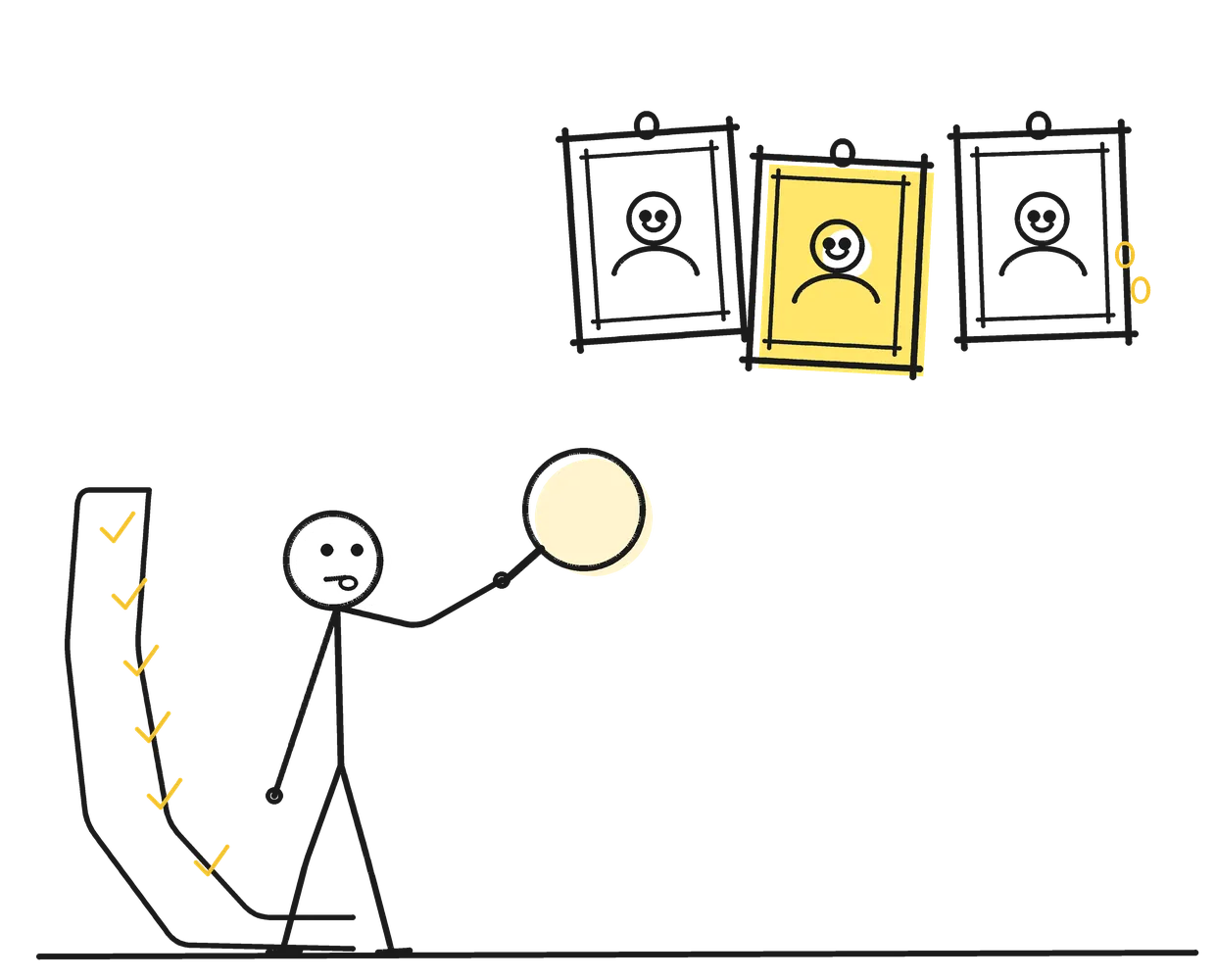
Sketch of a planner with a magnifying glass and a long checklist comparing three framed candidates

How to choose a keynote speaker

Start with the event goal. An opening keynote often sets energy and theme, while a closing keynote sends people away with a call to action. Choose a speaker whose core message fits that moment.

Watch at least one full-length recording of a recent talk, not just a highlight reel. It shows how the speaker structures ideas, handles pacing and connects with a live audience.

Agree on length, format and customisation early. Keynotes commonly run 30 to 60 minutes, and many speakers will add a Q and A, book signing or tailor examples after a briefing call.

Consider your audience mix. A story of personal resilience may suit a broad audience, while a specialist in leadership or finance may be better for a focused professional crowd.

Frequently Asked Questions

A keynote speaker delivers the main address at an event, usually setting its theme or tone for the audience.

Most keynotes last between 30 and 60 minutes, sometimes with a short Q and A afterwards.

Popular speakers are often booked months ahead, so start your search as early as your event planning allows.

Share the event goal, audience profile, theme, agenda and any key messages so the speaker can tailor their talk.

Many offer virtual or hybrid keynotes. Ask about their technical setup and how they engage remote audiences.